
Why Your Corporate Event Needs a Photographer (Not Just a Videographer)
In an age of Instagram Reels, TikTok, and YouTube, it is tempting to assume that video has replaced photography for event coverage. Why would you need still images when you can have moving ones?
It is a reasonable question — and one I hear regularly. The honest answer is that photography and videography serve fundamentally different purposes, and for most corporate events, you need both. Here's why.
What Photography Does That Video Cannot
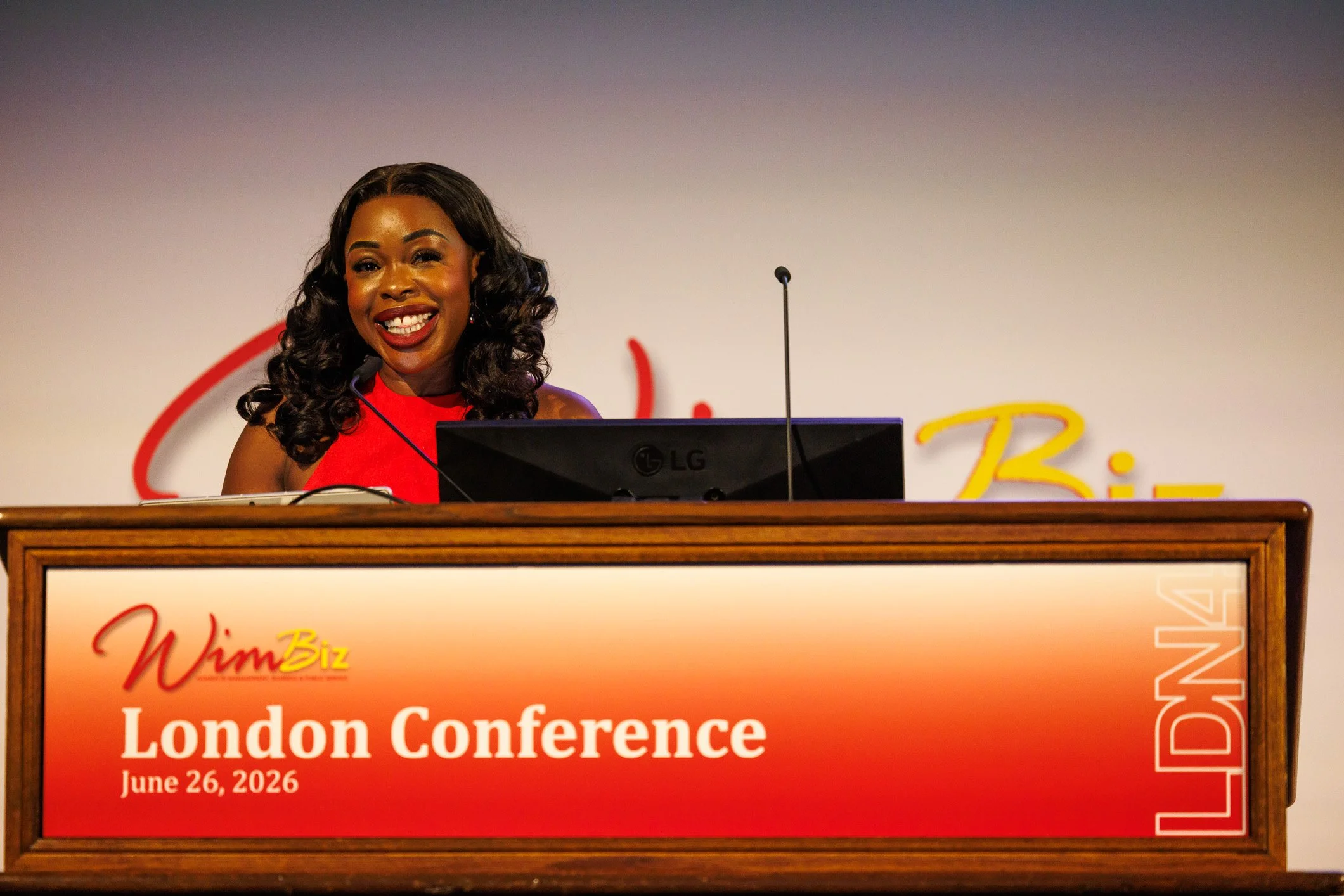
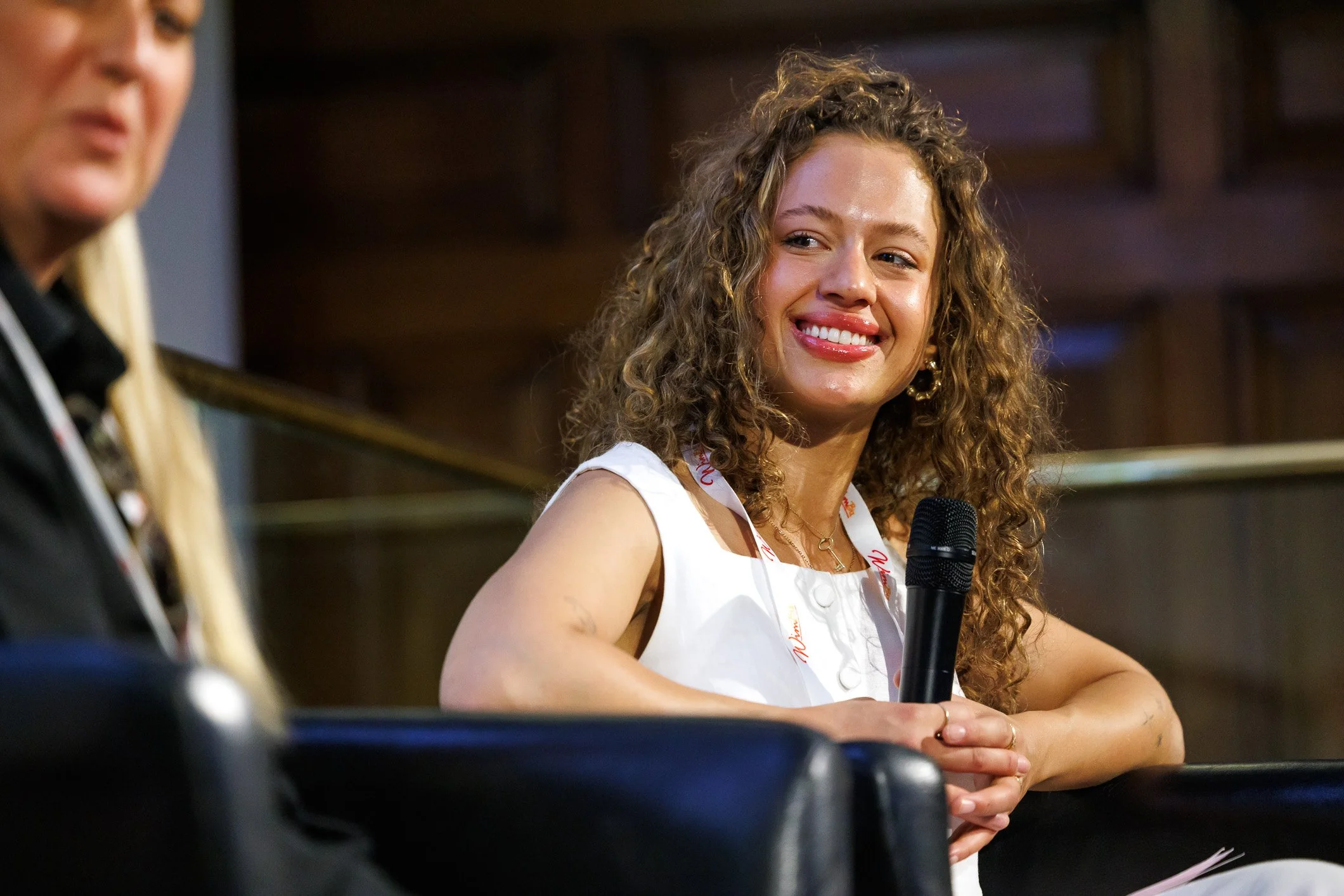
A photograph stops time. It isolates a single moment — a reaction, a handshake, a speaker at their most compelling — and presents it with complete clarity. There is no context to process, no timeline to follow. Just the moment.
This makes photography uniquely powerful for certain use cases that video simply cannot replicate:
LinkedIn and social media posts — a single strong image performs consistently better than a video clip for organic reach on LinkedIn, which remains the primary platform for B2B corporate communications.
Press releases and media coverage — journalists and editors need high-resolution still images. A video cannot be used in a print or online editorial context the way a photograph can.
Website and marketing materials — hero images, case study photography, and page imagery all require stills. A video frame is rarely sufficient resolution for professional use.
Internal communications — company newsletters, intranet updates, and HR communications all use still images routinely.
Award winner portraits and team shots — these are photographs, not video stills. Trying to extract a usable portrait from video footage almost never produces a professional result.
What Video Does That Photography Cannot
To be fair to the other side of this debate — video has capabilities that photography cannot match. Atmosphere, energy, and the full arc of an event are communicated through movement and sound in a way that a still image cannot replicate. A conference highlight reel, a brand activation recap, or a testimonial from a speaker are all video's natural territory.
Video also works exceptionally well for Instagram Reels, YouTube content, and internal event recaps — formats where the narrative journey of the day matters as much as the individual moments within it.
The Case for Both — and How to Budget for It
For most corporate events of any significance, the right answer is both photography and videography — but with clearly defined briefs for each. The mistake many event managers make is briefing one person to do both, or assuming that a videographer's camera will produce usable stills as a byproduct of their video work.
Video cameras and photography cameras are optimised for completely different outputs. A professional videographer's footage, however beautiful, will not produce the high-resolution still images you need for press and marketing. And a photographer focused on capturing decisive moments will not be simultaneously operating a video rig.
If budget is a constraint, prioritise photography for events where you need press coverage, LinkedIn content, award winner portraits, or marketing materials. Add video where you want to create a recap film, generate social content specifically for Reels or TikTok, or capture speaker content for future use.
The Speed Advantage of Photography
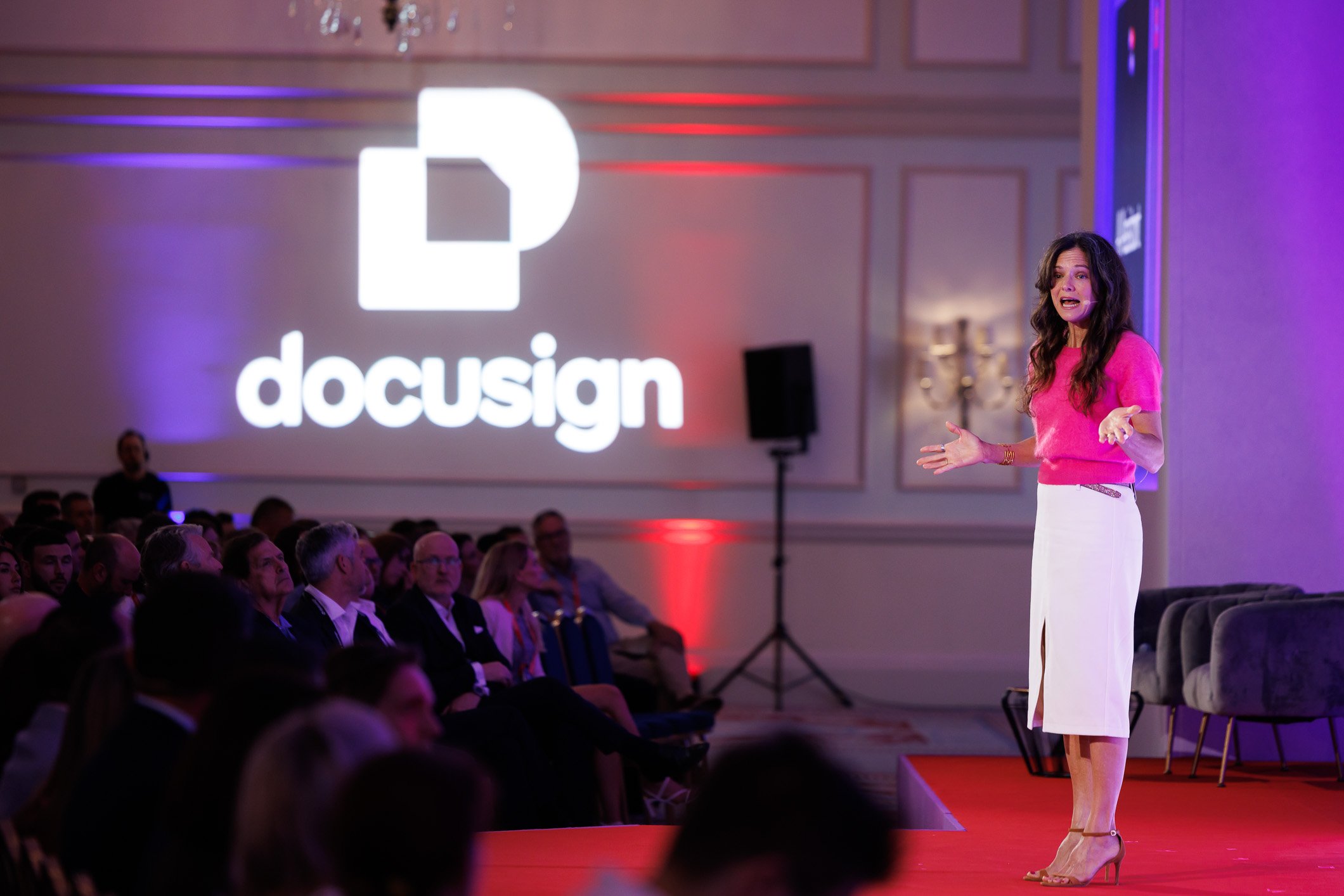
There is one practical advantage of photography over video that is rarely discussed: delivery speed. A well-edited gallery of event photographs can be delivered within 24 hours of the event — meaning your marketing team can be posting, your press team can be pitching, and your winners can be sharing on LinkedIn the very next morning.
A professionally edited video, by contrast, typically takes one to three weeks to produce — by which time the moment has passed and the social media opportunity has largely gone. Photography moves at the speed of news. Video does not.
If you are planning a corporate event in London and would like to discuss photography coverage — whether alongside video or as a standalone — I would love to help. Get in touch to check availability.